
Why ‘Leave It’ is a Lifesaver, Not Just a Trick
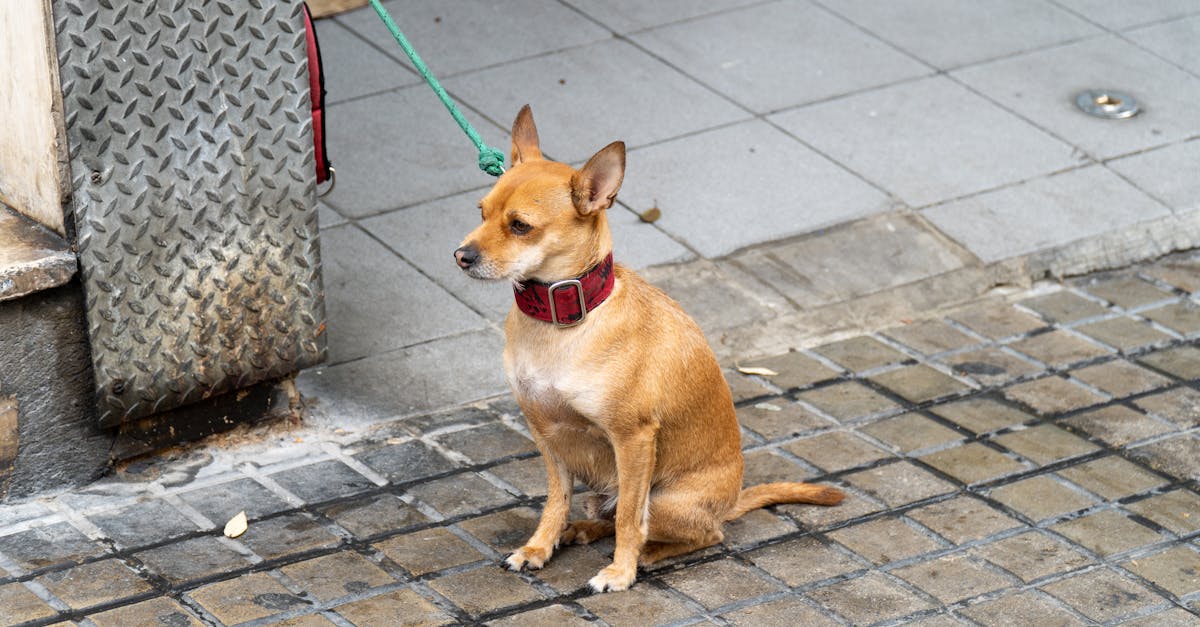
As a Pet Nutritionist, I spend my days focused on what goes into a dog’s bowl. But as a dog owner living in a bustling city, I’m often more concerned with what *almost* goes into her mouth. My dog, Nalla, and I love our runs through Tel Aviv. The energy is incredible, but so are the temptations on the sidewalk. A dropped piece of falafel, a glistening chicken bone, a mysterious, sticky puddle—for Nalla, it’s a smorgasbord. For me, it’s a minefield of potential vet emergencies.
This is where the ‘Leave It’ command transforms from a neat party trick into an essential, lifesaving tool. It’s our daily safety net. This command empowers you to protect your dog from ingesting something toxic, sharp, or simply stomach-churning. It’s about preventing a potential tragedy, avoiding expensive vet bills, and building a foundation of trust between you and your canine companion. Teaching your dog to ignore a tempting but dangerous item on the ground is one of the most important things you can do for their health and safety, especially in an urban environment.
Getting Started: Your ‘Leave It’ Toolkit
Before we dive into the steps, let’s talk about philosophy. We will exclusively use positive reinforcement. This method builds trust and makes learning a fun game for your dog, rather than a chore. We are teaching them that ignoring something tempting leads to an even better reward from you. You become the source of all good things! Here’s what you’ll need to get started:
- Two Tiers of Treats: This is crucial. You’ll need low-value treats (like their regular kibble or a simple, dry biscuit) and high-value treats. High-value treats should be extra special and smelly—think tiny pieces of freeze-dried liver, boiled chicken, small cubes of cheese, or a favorite soft training treat. The high-value treat is the ‘paycheck’ for a job well done.
- A Quiet Space: Begin your training sessions indoors in a room with minimal distractions. A living room or kitchen floor works perfectly.
- Patience and Enthusiasm: Your dog feeds off your energy. Keep training sessions short (5-10 minutes at a time) and always end on a positive note. Remember, this is a bonding experience!
The Training Process: A Step-by-Step Guide to Teach Dog ‘Leave It’
We’ll build this command in layers, starting simple and gradually increasing the difficulty. The key is to ensure your dog succeeds at each stage before moving to the next. Let’s begin.
Phase 1: The Closed-Hand Method
The goal of this first phase is to teach your dog that ignoring the treat in your hand is what earns them a reward.
- Take a few low-value treats (kibble) and place them in one hand. Close your hand into a fist.
- Present your closed fist to your dog, letting them sniff it. They will likely lick, nudge, and paw at your hand to get the treat. Stay quiet and patient. Let them figure it out.
- The exact moment your dog pulls their head away, even for a split second, mark the behavior with an enthusiastic “Yes!” and immediately give them a high-value treat from your *other* hand.
- Repeat this process several times. You’ll notice your dog will start to offer the ‘head away’ behavior faster. They are learning that trying to get the treat in the fist is pointless, but disengaging gets them a jackpot.
- Once they are reliably pulling away as soon as you present your fist, you can add the verbal cue. Say “Leave it” in a calm, neutral tone right before you present your fist. When they ignore your fist, mark with “Yes!” and reward.
Phase 2: The Open-Hand Method
Now we increase the temptation. The treat is visible, but still off-limits.
- Place a low-value treat in the palm of your open hand.
- Say “Leave it” and lower your hand toward your dog.
- If they lunge for the treat, quickly close your fist to cover it. Don’t pull your hand away; just prevent them from getting it.
- When they back off, open your hand again. Repeat until you can lower your open hand with the treat, and they make no move to take it.
- The moment they successfully ignore the open-hand treat (they might look at it, then look at you), say “Yes!” and give them a high-value treat from your other hand. Then, close your hand and remove the ‘leave it’ treat. It’s critical they never get the treat they were told to leave.
Phase 3: The Floor Method
This is where we start to mimic real-world scenarios.
- Place a low-value treat on the floor, but keep your hand covering it.
- Say “Leave it.” Let your dog sniff around your hand. When they back away, mark with “Yes!” and reward from your other hand.
- Once they are reliably ignoring the treat under your hand, start to slowly lift your hand an inch or two off the treat. If they dive for it, quickly cover it again.
- The goal is to be able to place a treat on the floor, say “Leave it,” and have your dog look at you for their reward instead. Practice this until they are completely ignoring the floor treat. Always remember to pick up the floor treat yourself—it’s forbidden fruit!
Taking It on the Road: Real-World Scenarios
Once you and your dog have mastered the command indoors, it’s time to generalize the behavior to the distracting outside world.
Increasing the Difficulty
Start by practicing on-leash in your backyard or a quiet park. Place a low-value treat on the grass and walk your dog past it. When they notice it, say “Leave it” and keep walking. When they successfully ignore it and walk with you, throw a party! Give them lots of praise and a high-value treat. Gradually increase the value of the ‘leave it’ item as your dog gets more reliable.
The City Walk: Putting It All Together
This is the final exam. On your city walks, like my runs with Nalla, the key is to be proactive. Scan the sidewalk ahead of you. See a discarded pizza crust? Before your dog even has a chance to lunge, say “Leave it” in a cheerful, upbeat tone. Use your leash to gently guide them past. The moment they turn their attention away from the item and toward you, reward them lavishly. A successful ‘leave it’ in the face of a real-world temptation deserves a jackpot reward. This reinforces that you are far more interesting and rewarding than anything the street has to offer.
Common Mistakes and Troubleshooting
If you’re struggling, you might be making one of these common mistakes:
- Being Reactive, Not Proactive: Don’t wait until your dog’s nose is already on the item. Say the command as soon as you see the potential hazard.
- Using a Harsh Tone: ‘Leave It’ is a cue, not a punishment. Keep your tone neutral or upbeat. A scary tone can create anxiety around you and food.
- Reward Isn’t Good Enough: The reward for leaving the item must be better than the item itself. If your dog isn’t motivated, you need to upgrade your high-value treats.
- Letting Them Get the ‘Leave It’ Item: Never use the ‘leave it’ treat as the reward. This will only confuse your dog.
A Safer, Happier Walk
To teach a dog ‘leave it’ is to give them a skill that will protect them for a lifetime. It takes time, consistency, and a pocketful of smelly treats, but the peace of mind is priceless. Every time Nalla and I navigate the streets of Tel Aviv and she successfully ignores a tempting piece of trash for a treat from my hand, it reinforces our bond and her safety. Start practicing today, and soon you’ll be walking with the same confidence, knowing your dog has the skills to stay safe, no matter what the sidewalk throws your way.
Ref: AKC
Tags: #teachdogleaveit #dogtrainingcommands #positivereinforcement #citydogsafety #howtostopdogeatingthingsoffstreet